Stage fit
Match the product to posture, hand strength, mouthing behavior and movement level.
This guide helps families and retail buyers choose Skip Hop products by what a child can do now: rest, grasp, mouth, sit, crawl, walk, pretend, organize and play outside.
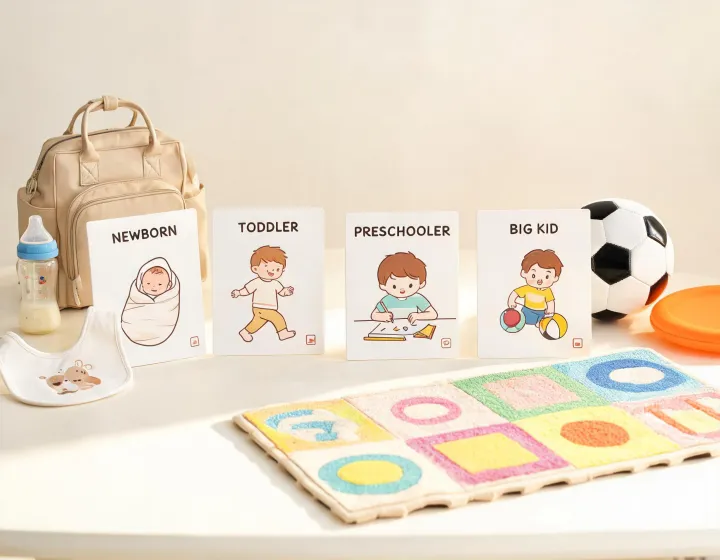
The safest shortcut is to begin with behavior rather than a broad category name. A baby who mouths everything, a toddler who wants to help and a preschooler who needs movement all ask for different product signals.
Look for soft textile, soothing shapes, simple changing support and easy-to-clean first feeding items.
1-3 yrChoose pieces that invite grasping, carrying, sorting, bath play, snack practice and early movement.
3-5 yrActivity centers, play mats and pretend moments can support focus, language and confident independence.
GiftBaby shower, birthday and holiday picks work best when they solve a daily routine after the wrapping is gone.
Good buying guidance is practical. It does not tell every family to buy the same thing. Instead, it asks what the product touches, how often it will be cleaned, where it will be stored and what skill the child is practicing. Those checks keep a diaper backpack from being judged like a teether, and they keep an outdoor play piece from being chosen only for color.
Match the product to posture, hand strength, mouthing behavior and movement level.
For feeding, teething and bath products, check material safety and cleaning steps first.
Nursery pieces need storage clarity; travel pieces need access and durability.
Giftable products should be easy to understand and useful in the first week.